Table Of Contents
The Power Of Strong Business Branding: Building An Unforgettable Identity
In today’s hyper-competitive business landscape, simply offering a great product or service isn’t enough to guarantee success. You could have the most innovative solution to a problem, the most delicious treat, or the most efficient service, but if no one truly *knows* or *feels* anything about your business, you’re essentially shouting into the void. That’s where the magic of strong business branding comes in. Think of it as the personality of your company, the story it tells, and the feeling it evokes in the hearts and minds of your customers. It’s the intangible asset that transforms a mere transaction into a lasting relationship.
What Exactly Is Business Branding? It’s More Than Just A Logo
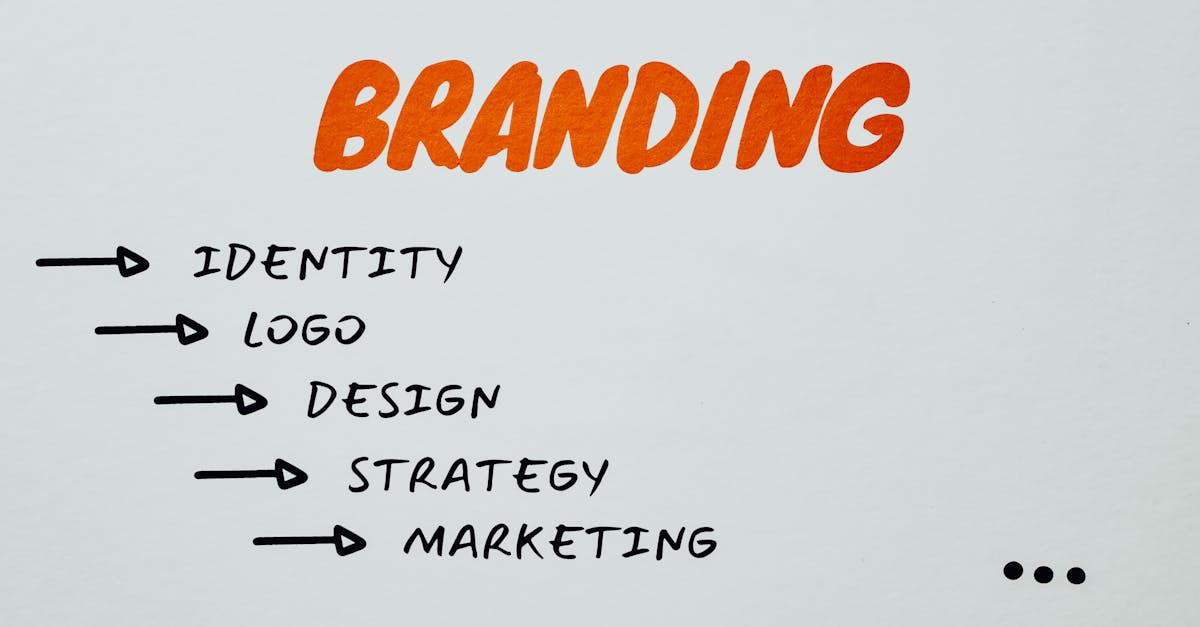
Many people mistakenly believe that branding is solely about the visual elements – the logo, the colors, the fonts. While these are crucial components, they’re just the tip of the iceberg. Business branding is the holistic perception that customers, employees, and the general public have of your company. It’s the sum total of every interaction, every message, and every experience associated with your business. It’s about defining who you are, what you stand for, and how you want to be perceived. Think of it as the emotional connection you build. It’s the promise you make and the experience you deliver. When you hear the name “Apple,” what comes to mind? It’s not just the iconic bitten apple logo; it’s innovation, sleek design, user-friendliness, and a certain aspirational lifestyle. That’s powerful branding at play.
Why Is Strong Branding Crucial For Modern Businesses?
In a world saturated with choices, a strong brand acts as a beacon, guiding consumers towards what resonates with them. It’s not just a nice-to-have; it’s a fundamental necessity for survival and growth. Let’s dive into why it’s so darn important.
Standing Out In A Crowded Marketplace
Imagine walking into a bustling marketplace. So many stalls, so many vendors, all vying for your attention. How do you choose where to go? You’re drawn to what looks familiar, what feels trustworthy, or what simply catches your eye. That’s exactly what a strong brand does for your business online and offline. It differentiates you from the competition. Instead of being “another coffee shop,” you become “that cozy coffee shop with the amazing pastries and friendly baristas.” This distinction is vital because, let’s face it, there’s a lot of noise out there. Without a clear, compelling brand, you risk blending into the background, an indistinguishable entity in a sea of sameness.
Building Trust And Credibility
Trust is the bedrock of any successful business relationship. When a consumer encounters a brand that is consistent, professional, and clearly communicates its values, they are more likely to believe in its offerings. A strong brand signals stability and reliability. Think about it: would you rather buy a critical piece of software from a company you’ve never heard of with a poorly designed website, or from a well-established company with a recognizable brand that you trust? The answer is obvious, right? This perceived reliability reduces the perceived risk for the customer, making them more comfortable with their purchase decision. It tells them you’re in it for the long haul, not just a quick buck.
Fostering Customer Loyalty
Beyond the initial purchase, a strong brand cultivates an emotional connection that transforms first-time buyers into loyal advocates. When customers resonate with your brand’s story, values, and personality, they develop a sense of belonging. They don’t just buy your product; they buy into your mission. This loyalty is gold. Loyal customers are more forgiving of minor slip-ups, more likely to recommend you to others, and less swayed by competitors’ offers. They become part of your brand’s ecosystem, actively contributing to its success through repeat business and word-of-mouth marketing. It’s like being part of a club where everyone feels a shared connection.
Attracting Top Talent
Branding isn’t just about external perception; it’s equally important for internal stakeholders, especially potential employees. A company with a strong, positive brand image is inherently more attractive to top talent. People want to work for organizations they admire, that align with their personal values, and that offer a sense of purpose. A well-defined brand communicates a clear company culture, mission, and vision, making it easier for individuals to see themselves as a good fit. This can significantly reduce recruitment costs and improve employee retention, creating a more stable and motivated workforce.
Influencing Purchase Decisions
Ultimately, branding has a direct impact on your bottom line. A strong brand can elevate your perceived value, allowing you to command premium pricing. When consumers see a brand as superior, innovative, or more desirable, they are willing to pay more for it. It bypasses the purely rational decision-making process and taps into emotions, aspirations, and even identity. Think about the difference in price between a generic brand of water and a premium bottled water brand – a significant portion of that difference is the brand value. It shapes expectations and influences perceptions of quality, even before a single sip is taken.
The Core Elements Of A Powerful Brand
Building a compelling brand isn’t a random act; it’s a strategic endeavor that involves several interconnected elements. Let’s break down the essential building blocks.
Brand Identity: The Visual Language
This is what people *see* when they think of your brand. It’s the visual representation that communicates your brand’s essence. It’s designed to be instantly recognizable and memorable.
Logo Design
Your logo is often the first point of contact. It needs to be simple, memorable, versatile, and reflective of your brand’s personality and industry. Think of the Nike swoosh or the McDonald’s golden arches – iconic for a reason!
Color Palette
Colors evoke emotions and associations. Red might signify passion or urgency, blue can convey trust and stability, and green often represents nature or growth. Choosing the right colors is a strategic decision that influences how your brand is perceived.
Typography
The fonts you use contribute to your brand’s personality. A classic serif font can feel traditional and authoritative, while a modern sans-serif font might appear sleek and approachable. Typography adds a distinct voice to your written communications.
Imagery and Visuals
This includes everything from photographs and illustrations to videos and infographics. Consistent, high-quality visuals that align with your brand’s aesthetic reinforce your identity and tell your story visually.
Brand Voice and Messaging
How does your brand *sound*? Is it formal and authoritative, or friendly and casual? Your brand voice is the tone and style of your communication across all platforms. This voice should be consistent, whether you’re writing website copy, social media posts, or responding to customer inquiries. Your messaging is what you say and how you say it, conveying your core values and unique selling points.
Brand Values and Mission
What drives your business? What do you stand for? Your brand values are the core principles that guide your actions and decisions. Your mission is your overarching purpose. Clearly articulating these elements helps attract like-minded customers and employees, creating a deeper connection beyond just the transactional level.
Customer Experience
This is perhaps the most powerful branding element of all. Every interaction a customer has with your brand, from their initial discovery to post-purchase support, shapes their perception. A consistently positive customer experience reinforces all other branding efforts and is a key driver of loyalty and positive word-of-mouth.
Crafting Your Brand Strategy: A Step-by-Step Guide
Developing a strong brand isn’t a one-off task; it’s an ongoing strategic process. Here’s a roadmap to help you build a brand that resonates.
1. Know Your Audience Inside And Out
Before you can craft a brand that appeals, you need to understand who you’re trying to reach. Who are your ideal customers? What are their needs, desires, pain points, and aspirations? What are their demographics and psychographics? The more you understand your audience, the better you can tailor your brand message and offerings to connect with them on a deeper level. This isn’t just about broad strokes; it’s about understanding the nuances of their lives.
2. Define Your Unique Selling Proposition (USP)
What makes your business different and better than the competition? Your USP is the core benefit that sets you apart. It’s the reason why customers should choose you. This could be your superior quality, your innovative technology, your exceptional customer service, or a unique niche you serve. Clearly articulating your USP will form the foundation of your brand messaging.
3. Develop Your Brand Personality
If your brand were a person, what would they be like? Would they be sophisticated and elegant, fun and energetic, or practical and reliable? Defining your brand personality helps you establish a consistent tone of voice and visual style. This personality should align with your target audience and your core values, making your brand relatable and memorable.
4. Create A Compelling Brand Story
Humans are wired for stories. A well-crafted brand story can evoke emotion, build connection, and make your brand unforgettable. This story should go beyond just what you sell; it should explain your “why” – the origin of your business, the passion behind your mission, and the impact you aim to make. Authenticity is key here; consumers can spot a fabricated narrative from a mile away.
5. Ensure Consistency Across All Touchpoints
This is arguably the most critical step. From your website and social media to your packaging, customer service interactions, and even your email signature, every single touchpoint should consistently reflect your brand identity, voice, and values. Inconsistency breeds confusion and erodes trust. Imagine seeing a vibrant, fun social media post from a brand, only to have a dry, formal email response to your inquiry. It’s jarring and undermines the initial positive impression.
Measuring Brand Success: What To Look For
How do you know if your branding efforts are paying off? It’s not just about how many likes you get on Instagram. Measuring brand success involves looking at a range of metrics. Consider brand awareness (how many people recognize your brand?), brand sentiment (what do people *feel* about your brand?), customer loyalty (repeat purchase rates, churn rate), market share, website traffic, engagement rates on social media, and even employee satisfaction. Regularly assessing these indicators will help you understand what’s working and where you need to adjust your strategy.
Common Branding Pitfalls To Avoid
Even with the best intentions, businesses can stumble in their branding journey. A common mistake is a lack of clarity – not knowing who you are or who you’re for. Another is inconsistency; jumping on every new trend without regard for your core brand identity can dilute your message. Over-promising and under-delivering is a surefire way to damage trust and your brand’s reputation. Lastly, neglecting to adapt can be fatal; the market evolves, and your brand needs to evolve with it while staying true to its core.
The Future Of Business Branding
The world of branding is constantly evolving, driven by new technologies and shifting consumer expectations. We’re seeing a greater emphasis on authenticity, purpose-driven branding, and hyper-personalization. Brands that can genuinely connect with consumers on an emotional and ethical level, while also leveraging data to deliver tailored experiences, will be the ones that thrive. The lines between products, services, and experiences will continue to blur, and brands will need to be agile and adaptable to remain relevant and compelling in the years to come.
In essence, strong business branding is the art and science of creating a distinct, memorable, and meaningful identity for your company. It’s the invisible force that attracts, engages, and retains customers, drives loyalty, and ultimately, fuels sustainable business growth. It’s an investment that pays dividends far beyond the initial outlay, building an asset that grows in value over time.
Frequently Asked Questions (FAQs)
- What is the difference between branding and marketing?
While related, branding is about shaping perceptions and building an identity, whereas marketing is about promoting products or services to a target audience. Branding lays the foundation for effective marketing campaigns. - Can a small business have a strong brand?
Absolutely! Small businesses can often build incredibly strong and authentic brands by focusing on their niche, providing exceptional customer experiences, and clearly communicating their values. Think of local artisan shops or independent cafes that have a cult following. - How long does it take to build a strong brand?
Building a strong brand is an ongoing process, not a destination. It takes consistent effort over time. While you can start seeing positive results within months, true brand equity and recognition can take years to develop. - What are some examples of companies with strong brands?
Examples include Apple (innovation, design), Coca-Cola (happiness, refreshment), Nike (athleticism, empowerment), and Patagonia (environmentalism, durability). These brands evoke strong emotions and associations. - How important is online presence in branding today?
Extremely important. Your website, social media profiles, and online reviews are often the first touchpoints for potential customers. A consistent and engaging online presence is critical for building brand awareness and trust in the digital age.